A comparison of methods for estimating vertical wind from dropsondes
Johnson, N.E., B. Tang, K. Corbosiero, H. Vömel

Nicholas E. Johnson
My current research seeks to understand processes that affect tropical cyclone intensity, such as ventilation: the injection of cool, dry environmental air into sheared storms. A combination of observations from aerial reconnaissance and satellites, along with simulations from operational models, are used to examine these processes.
In previous research, I studied methods for estimating surface wind speed in tropical cyclones from aircraft observations and examined forecasting challenges for wind and fog that impact aviation.
My current research is funded by the Future Investigators in NASA Earth and Space Science and Technology (FINESST) fellowship. Previous research was supported by the Naval Research Enterprise Intern Program (NREIP) and the NOAA Hollings Scholarship.
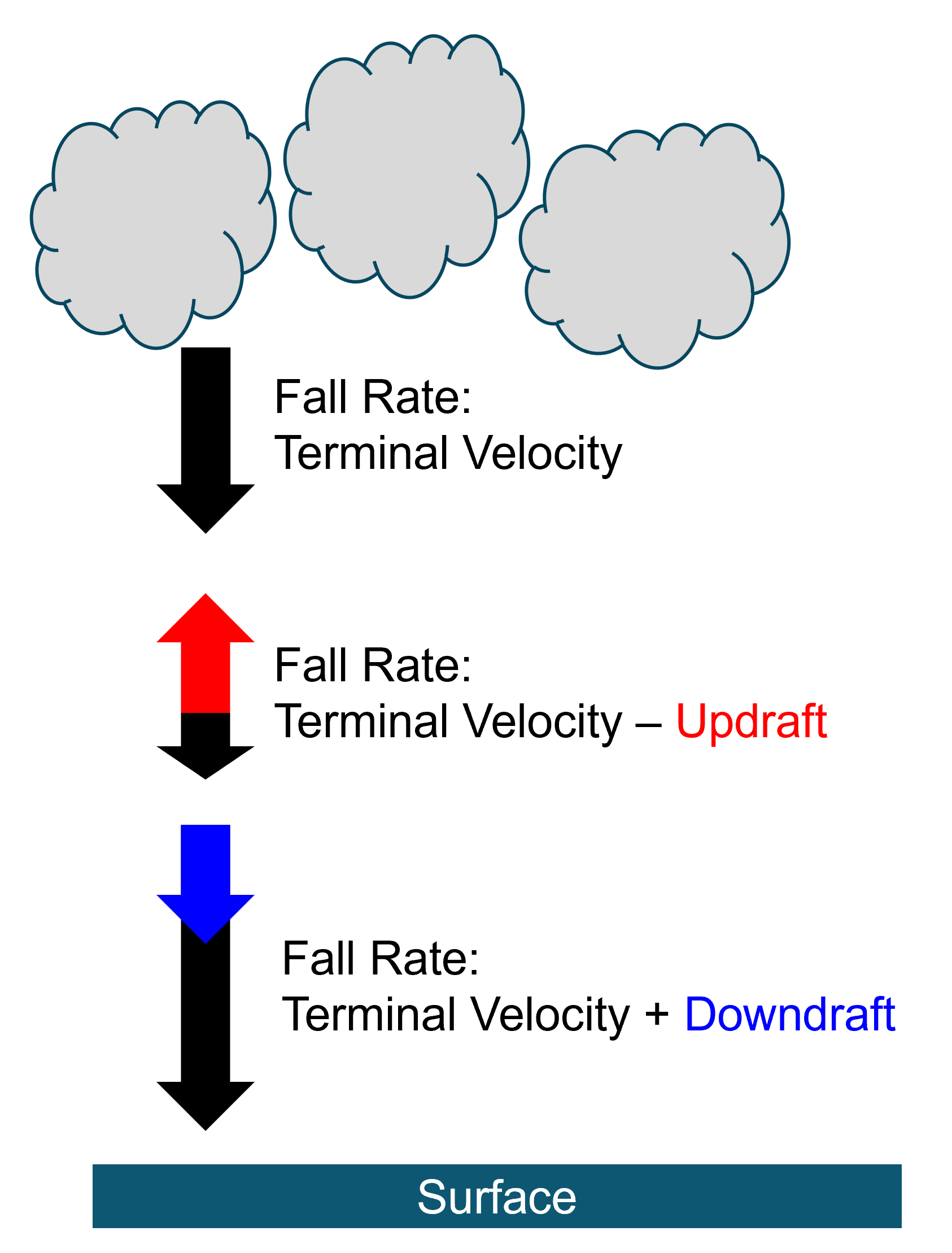
Two methods for finding the dropsonde terminal velocity and resulting vertical wind were examined:
Using the median fall rate is recommended since it accounts for variations in the dropsonde parachute and drag coefficient.
View Project AbstractDowndraft ventilation, which can weaken tropical cyclones and complicate intensity forecasts, can be measured with aircraft observations.
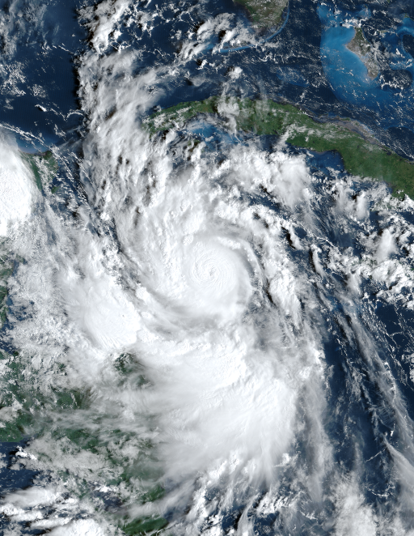
Observations of Hurricane Delta showed deep, intense downdrafts and ventilation as rapid intensification ended and during rapid weakening.
The results of this observational study support the findings of previous modeling studies of downdraft ventilation.
View Project Abstract